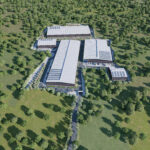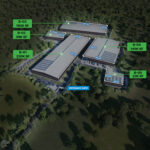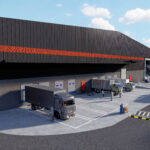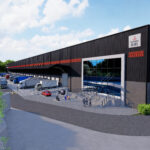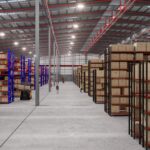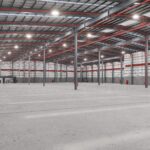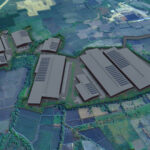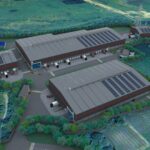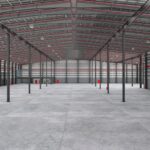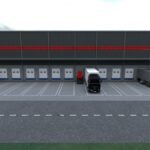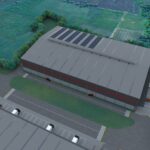

Industrial park development is the planned process of building a large, serviced zone where multiple businesses set up manufacturing, warehousing, and logistics operations. A developer acquires land, secures approvals, and builds shared infrastructure like roads, power, water, and drainage, then offers units or plots to enterprises. For a business, locating inside a developed park means moving into ready infrastructure and an established ecosystem instead of building everything alone.
What is industrial park development?
Industrial park development is the creation of a dedicated, master-planned area engineered specifically for industrial and logistics use. A developer takes raw land through zoning, statutory approvals, and construction of common infrastructure, then makes serviced plots or ready facilities available to businesses that want to operate there.
The defining feature is shared, planned infrastructure. Rather than each business independently arranging its own roads, power connection, water supply, and effluent management, the park provides these at scale for every occupant. This turns what would be dozens of separate, slow, high-risk setups into a single coordinated development.
For enterprises, this changes the economics of setting up. Building on standalone land means carrying the full cost, time, and risk of land conversion, approvals, and utility provisioning. Locating in a developed park means most of that groundwork is already done, so the business inherits a working environment and can focus on its operation rather than on construction.
How does industrial park development work?
Industrial park development follows a structured sequence, and each stage removes a layer of risk that a standalone project would otherwise carry alone.
Land and approvals- The developer aggregates large land parcels and secures the statutory clearances, including zoning, DTCP sanction, and Environmental Clearance. This stage is the longest and most complex, and completing it at the park level is what saves each occupant 12 to 18 months.
Infrastructure build- The developer constructs the shared backbone, including internal roads, power distribution, water supply, drainage, and sometimes effluent treatment and common amenities. A well-developed logistics park Oragadam Chennai is built with heavy-vehicle roads and industrial-grade utilities from the start.
Unit or plot delivery- The developer offers ready-to-move facilities, built-to-suit options, or saleable plots, so enterprises can choose the level of customisation and ownership that suits them.
What do businesses gain from a developed park?
The value of a developed park is that it hands a business a working environment on day one, rather than a construction project.
- Ready infrastructure: Roads, power, and utilities already in place.
- Faster setup: Approvals completed at the park level.
- Shared ecosystem: Suppliers, labour, and services nearby.
- Lower risk: Compliance and infrastructure handled by the developer.
- Scalable space: Room to expand within the same park.
Because the groundwork is already done, taking industrial space for lease Sriperumbudur inside a developed park lets an enterprise begin operations far sooner than a standalone build would allow.
Why does location define an industrial park's value?
An industrial park is only as valuable as its connectivity and ecosystem, because those decide freight cost, workforce access, and long-term growth.
A park positioned on national highways with access to ports and an airport lets every occupant serve city, inter-state, and export markets efficiently. One placed in an established manufacturing corridor also gives occupants a trained workforce and a dense supplier base already operating nearby, advantages that a remote park cannot manufacture no matter how good its internal infrastructure.
This is why enterprises evaluate the corridor as closely as the park itself. Connectivity and ecosystem compound over the life of an operation, turning a well-located park into a lasting cost and speed advantage rather than a one-time convenience.
Should your enterprise locate in a developed park?
Locating in a developed industrial park suits most enterprises that want speed, lower risk, and an established ecosystem over full independent control.
It is the right choice for businesses that need to be operational quickly, that lack the appetite to manage land conversion and approvals themselves, and that benefit from being near suppliers and a skilled workforce. For the majority of manufacturing and warehousing operations, these advantages outweigh the appeal of building in isolation.
It is a weaker fit only for operations that need a highly specific standalone location or complete control over every aspect of the site. For everyone else, especially those prioritising speed, a ready to occupy industrial park Oragadam offers a finished facility inside a proven corridor, removing the slowest and riskiest parts of setting up.
FAQs
Q. What is industrial park development?
A. It is the planned process of building a serviced industrial zone, where a developer acquires land, secures approvals, and constructs shared infrastructure like roads, power, and water, then offers plots or ready facilities to businesses.
Q. How is an industrial park different from standalone industrial land?
A. An industrial park provides shared, pre-approved infrastructure and an established ecosystem for many businesses, while standalone land requires each business to arrange its own approvals, utilities, and access independently, at greater cost and risk.
Q. How long does it take to set up in a developed industrial park?
A. Because approvals and infrastructure are already complete at the park level, an enterprise can occupy ready space within weeks or take a built-to-suit unit in roughly 9 to 14 months, far faster than a standalone build.
Q. What infrastructure does an industrial park provide?
Typically internal roads built for heavy vehicles, power distribution, water supply, drainage, effluent treatment, and common amenities, along with completed statutory approvals such as zoning, DTCP sanction, and Environmental Clearance.
Q. What should enterprises look for in an industrial park?
A. Strong highway, port, and airport connectivity, location within an established manufacturing corridor, pre-approved land, Grade-A infrastructure, and the flexibility to choose ready-to-move, built-to-suit, or saleable plot options.
Q. Is locating in an industrial park cost-effective?
A. For most enterprises, yes. Shared infrastructure, completed approvals, and an existing ecosystem reduce setup time and risk, which usually outweighs the cost of building on isolated standalone land.