
Imagine a company preparing to expand its manufacturing or distribution operations. One of the first decisions that quickly becomes critical is where inventory will be stored and how efficiently it can move through the supply chain. For businesses exploring a warehouse for lease, warehouse storage space for rent or industrial space for rent, the choice is no longer just about securing available square footage.
The design of the warehouse, the quality of its infrastructure and its ability to support modern warehouse logistics solutions all influence how smoothly day-to-day operations will run. As supply chains become more complex and inventory volumes grow, businesses are increasingly realizing that the type of warehouse they choose can directly impact efficiency, costs and long-term scalability.
At OneAlpha Ventures, these conversations frequently arise when businesses explore opportunities within emerging industrial corridors such as the Oragadam industrial park and Oragadam logistic park. Manufacturers, logistics operators and distributors often ask what differentiates a standard warehouse from a Grade-A industrial warehouse.
The answer lies in a combination of design standards, operational efficiency and infrastructure planning that enables businesses to run large-scale supply chain operations smoothly within modern industrial park development ecosystems.
Understanding what defines a Grade-A warehouse can help occupiers make more informed decisions when evaluating industrial warehouse space for rent.
Infrastructure That Supports Modern Warehousing
A Grade-A warehouse begins with infrastructure that is designed specifically for modern logistics operations and scalable warehousing solutions.
These facilities are built to support high-volume storage, efficient movement of goods and long-term operational reliability—often aligned with broader sustainable industrial development practices.
The design of a Grade-A warehouse is defined by how effectively the building supports storage and movement of goods.
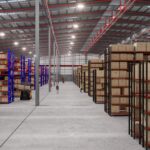
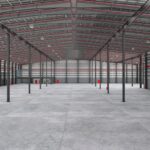
A key factor is clear height, which determines how much vertical storage a facility can accommodate. Warehouses with greater vertical clearance allow businesses to install high pallet racking systems, increasing storage capacity without expanding the footprint of the building.
Structural strength is equally important. Grade-A warehouses are built with reinforced flooring capable of supporting heavy racking systems, stacked goods and continuous forklift movement—key features expected in modern industrial warehouse space for rent.
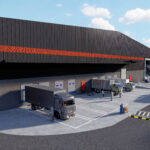
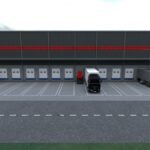
Dock infrastructure further influences operational efficiency. Facilities designed with multiple dock doors and dock levellers allow trucks to load and unload quickly, improving throughput across warehouse logistics solutions environments.
Layout Designed for Operational Efficiency
The internal layout of a warehouse directly affects how efficiently goods move through the facility and plays a major role in overall warehousing solutions performance.
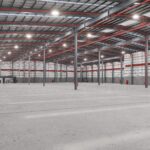
Grade-A warehouses are designed with wide column spacing to allow forklifts and material-handling equipment to move freely across the floor. This layout flexibility enables businesses to configure storage systems efficiently.
Well-planned layouts also include designated zones for receiving, storage, packing and dispatch, improving workflow efficiency.
Many modern facilities offering warehousing as a service incorporate mezzanine spaces that can be used for:
- Office operations
- Packaging zones
- Light assembly
For companies evaluating warehouse storage space for rent, these design considerations significantly impact productivity.
Strategic Location Within Industrial Corridors
Even the most advanced warehouse infrastructure cannot deliver its full value if the facility is located in an inefficient logistics corridor.
Grade-A warehouses are typically developed within established hubs such as the Oragadam industrial park, where infrastructure, connectivity and supplier ecosystems are already in place.
For companies evaluating industrial space for rent, being located within such industrial park development zones helps:
- Improve supply chain coordination
- Reduce transit times
- Lower logistics costs
Warehouses in these environments function as part of an integrated logistics network rather than isolated storage units.
Technology and Sustainability in Modern Warehousing
Modern supply chains rely heavily on technology-driven operations. Grade-A warehouses are designed to support advanced systems within integrated warehouse logistics solutions frameworks.
Facilities equipped with automation, inventory management systems and advanced material handling infrastructure enable businesses to manage large volumes efficiently.
Sustainability is also becoming central to modern industrial park development and sustainable infrastructure development.
New developments now incorporate:
- Energy-efficient lighting
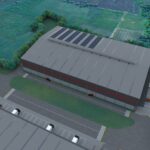
- Solar power systems
- Rainwater harvesting
- Smart energy management
These features align with green infrastructure development and support a green technology for sustainable future approach.
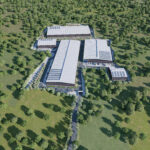
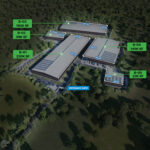
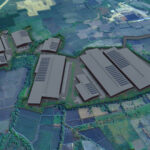
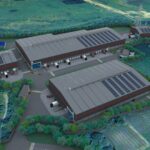
At OneAlpha Ventures, developments such as the Oragadam Industrial & Logistics Park integrate these principles through IGBC Platinum-rated infrastructure, energy-efficient systems and optimized building materials.
This approach supports sustainable industrial solutions while reducing long-term operational costs.
Integrated Warehousing Solutions for Growing Businesses
As supply chains evolve, businesses require flexible infrastructure supported by advanced warehousing solutions.
Modern logistics parks now provide:
- Modular warehouse units
- Built-to-suit facilities
- Scalable infrastructure
These developments often integrate EPC solutions along with specialized warehouse logistics solutions, including:
- Temperature-controlled storage
- Automated sorting systems
- High-volume distribution hubs
For businesses searching for industrial warehouse space for rent, these integrated capabilities significantly improve operational efficiency and scalability.
Choosing the Right Warehouse for Long-Term Growth
The difference between a standard warehouse and a Grade-A industrial warehouse lies in the level of planning behind its design.
Facilities that combine:
- Strong structural specifications
- Efficient layouts
- Strategic location
- Sustainable design
provide a strong operational foundation for long-term growth.
This approach is central to how OneAlpha Ventures develops industrial and logistics infrastructure.
Projects such as the Oragadam Industrial & Logistics Park are designed to provide:
- Scalable industrial warehouse space for rent
- Modern warehousing solutions
- Integrated logistics infrastructure
Businesses evaluating warehouse for lease, warehouse renting business opportunities or warehouse storage space for rent benefit from choosing facilities built with these priorities.
The right warehouse does more than store inventory—it becomes a core part of a company’s supply chain strategy.
Frequently Asked Questions
- What defines a Grade-A industrial warehouse?
A Grade-A industrial warehouse includes high clear height, strong floor load capacity, modern dock infrastructure and advanced warehouse logistics solutions designed for large-scale operations.
- Why is clear height important in a warehouse?
Clear height improves vertical storage efficiency in industrial warehouse space for rent, allowing higher storage density.
- What should businesses evaluate before leasing warehouse space?
Businesses should evaluate infrastructure, location, compliance and long-term costs when selecting warehouse space for rent or warehouse for lease options.
- Why are industrial logistics parks becoming popular?
They offer integrated infrastructure, better compliance and scalability within industrial park development ecosystems.
- How do modern warehouses support sustainable industrial development?
Through sustainable infrastructure development, green infrastructure development and adoption of green technology for sustainable future practices.